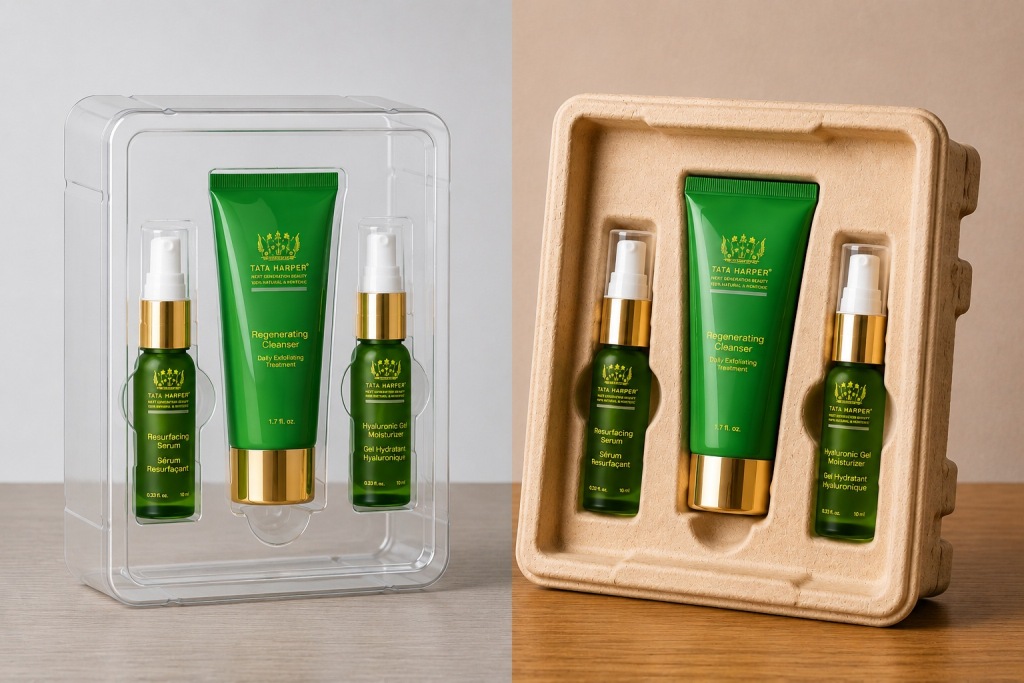
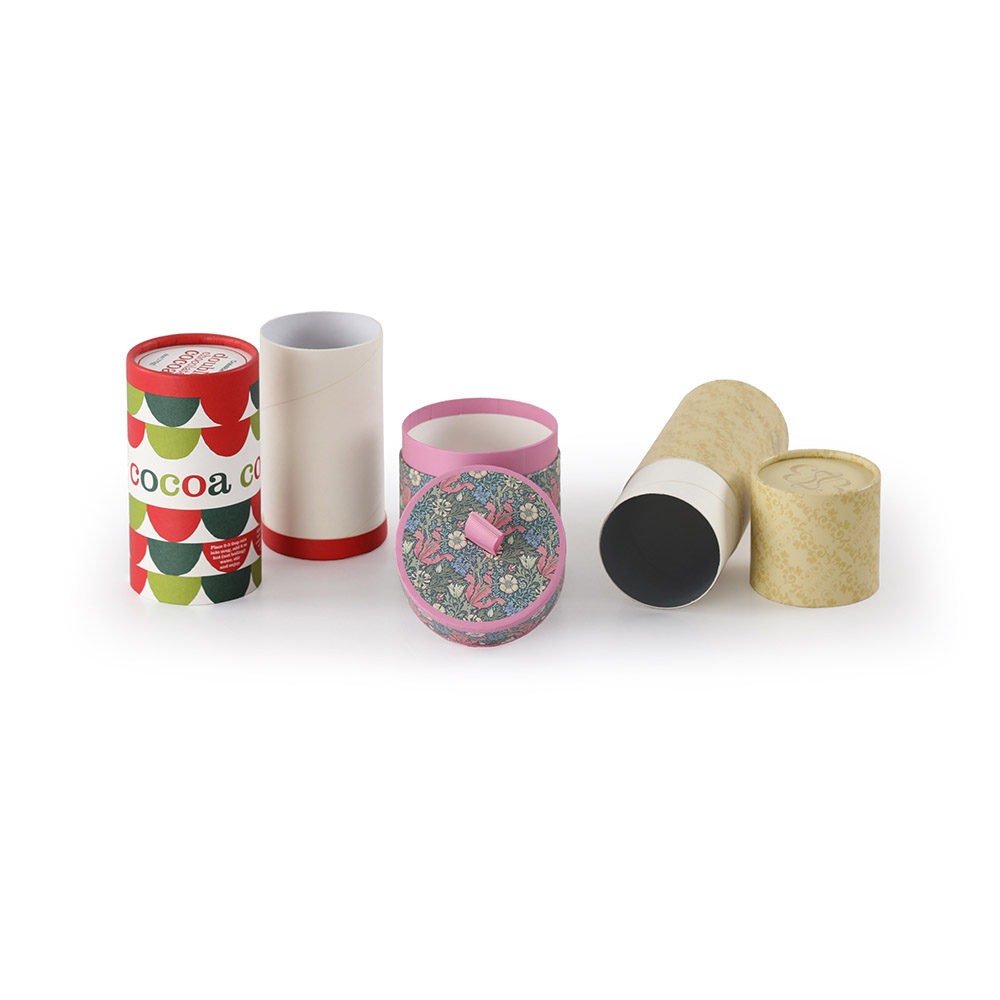
Can It Really Replace Traditional Lamination?
In recent years, sustainability has become one of the most important trends in the global printing and packaging industry. Governments, international brands, and consumers are all pushing for the reduction of plastic usage in packaging materials. Under this trend, a new technology known as “wear-resistant plastic-free coating” has rapidly gained attention as a potential alternative to traditional plastic lamination.
But what exactly is plastic-free coating? Is it truly environmentally friendly? Can it fully replace lamination? And what does the future look like for this technology?
This article provides a professional overview from the perspective of the printing and packaging industry.
1. What Is Wear-Resistant Plastic-Free Coating?
Wear-resistant plastic-free coating, sometimes called “plastic replacement varnish” or “eco coating,” is a special surface treatment applied directly onto printed paper packaging.
Its main purpose is to provide:
- Scratch resistance
- Abrasion resistance
- Water resistance
- Surface protection
- Improved appearance
without using traditional plastic film lamination such as:
- BOPP film
- PET film
- PP lamination film
Unlike conventional lamination, this coating is applied in liquid form and cured directly on the paper surface.
2. Main Components of Plastic-Free Coating
Most plastic-free coatings are water-based formulations. Their main ingredients typically include:
1) Water-Based Acrylic Resin
This is the core material that forms the protective layer.
Functions:
- Surface hardness
- Gloss or matte effect
- Adhesion
- Wear resistance
2) Polyurethane (PU) Dispersion
Some high-performance coatings contain water-based polyurethane.
Functions:
- Better scratch resistance
- Flexibility
- Chemical resistance
3) Wax Emulsion
Usually polyethylene wax or natural wax.
Functions:
- Slip performance
- Abrasion resistance
- Smooth surface feel
4) Additives
Including:
- Defoaming agents
- Leveling agents
- Anti-blocking agents
These improve coating stability and printing performance.
3. Is It Truly Environmentally Friendly?
Compared with Traditional Lamination: Yes
Traditional lamination combines paper with plastic film, making recycling extremely difficult because paper and plastic are tightly bonded together.
Plastic-free coating offers several environmental advantages:
Advantages
- No additional plastic film
- Easier paper recycling
- Lower plastic consumption
- Reduced carbon footprint
- Better compliance with ESG requirements
- Supports mono-material packaging trends
Many plastic-free coatings are also:
- Water-based
- Low VOC
- REACH compliant
- FDA compliant for indirect food contact
However, “Plastic-Free” Does Not Mean “100% Chemical-Free”
This is important.
Although marketed as “plastic-free,” many coatings still contain synthetic polymer resins such as acrylic or polyurethane.
From a strict chemical perspective:
- Some formulations still involve polymer chemistry
- Not all are fully biodegradable
- Not all are compostable
Therefore, the term “plastic-free” in the printing industry usually means:
“No laminated plastic film attached to the paper surface.”
rather than:
“Completely natural material.”
4. Can It Really Replace Lamination?
The Answer: Partially Yes, But Not Completely Yet
Plastic-free coating technology has improved significantly in recent years and can already replace lamination in many applications.
However, it still has certain limitations.
5. Comparison: Plastic-Free Coating VS Traditional Lamination
| Item | Plastic-Free Coating | Traditional Lamination |
|---|---|---|
| Environmental Performance | Better | Poorer |
| Recyclability | Easier | Difficult |
| Plastic Usage | Very low | High |
| Surface Protection | Good | Excellent |
| Scratch Resistance | Good | Excellent |
| Water Resistance | Moderate to good | Excellent |
| Folding Performance | Good | Very good |
| Surface Feel | Natural paper feel | Plastic film feel |
| Appearance | Premium natural look | High gloss possible |
| Production Process | Simpler | More complex |
| Recycling Compatibility | Better | Worse |
| Compostability | Possible in some systems | Very difficult |
6. Current Limitations of Plastic-Free Coating
Although promising, plastic-free coatings still face technical challenges.
1) Abrasion Resistance Still Lower Than High-End Lamination
For luxury packaging or heavy-use applications, lamination still provides stronger protection.
2) Moisture Resistance Limitations
Extreme humidity conditions may still favor traditional film lamination.
3) Heat Resistance
Some coatings may soften under high temperatures.
4) Compatibility Challenges
Different papers and printing inks may affect coating performance.
7. Cost Comparison
Current Situation
In many cases, plastic-free coatings are:
- Similar in cost
or - Slightly more expensive
than ordinary lamination.
This depends on:
- Coating brand
- Performance requirements
- Printing volume
- Production equipment
Why Some Plastic-Free Coatings Cost More
Reasons include:
- Advanced resin technology
- Specialized coating chemistry
- Lower production scale
- Higher R&D investment
However, costs are gradually decreasing as adoption increases.
8. Why Brands Are Interested in Plastic-Free Coating
Global brands are under increasing pressure from:
- ESG requirements
- Plastic reduction targets
- EU packaging regulations
- Consumer sustainability expectations
Major industries adopting plastic-free coatings include:
- Cosmetics packaging
- Consumer electronics packaging
- Luxury packaging
- Food packaging
- E-commerce packaging
Many international brands now prefer packaging labeled:
- Recyclable
- Plastic-free
- Mono-material
- Sustainable
This is accelerating market demand.
9. Future Industry Trends
The Future Is Very Promising
Plastic-free coating technology is expected to grow rapidly over the next 5–10 years.
Key reasons include:
Government Regulations
Especially in:
- Europe
- North America
- Japan
where plastic reduction policies are becoming stricter.
Recycling Requirements
Paper packaging with no plastic film is much easier to recycle.
Brand Sustainability Goals
Large brands increasingly require suppliers to provide:
- Recyclable packaging
- Low-carbon solutions
- Plastic reduction alternatives
Technology Improvement
Coating performance continues to improve in:
- Scratch resistance
- Water resistance
- Printability
- Heat resistance
Future generations of coatings may eventually replace lamination in even more applications.
10. Conclusion
Wear-resistant plastic-free coating represents one of the most important sustainable innovations in the modern printing and packaging industry.
Although it cannot yet fully replace traditional lamination in every application, it already provides an effective environmentally friendly alternative for many packaging products.
Compared with lamination, plastic-free coatings offer:
- Better recyclability
- Lower plastic consumption
- Improved sustainability
- Stronger compliance with future environmental regulations
As technology continues to advance and global sustainability demands increase, plastic-free coating is expected to become a major future direction for the printing and packaging industry worldwide.